

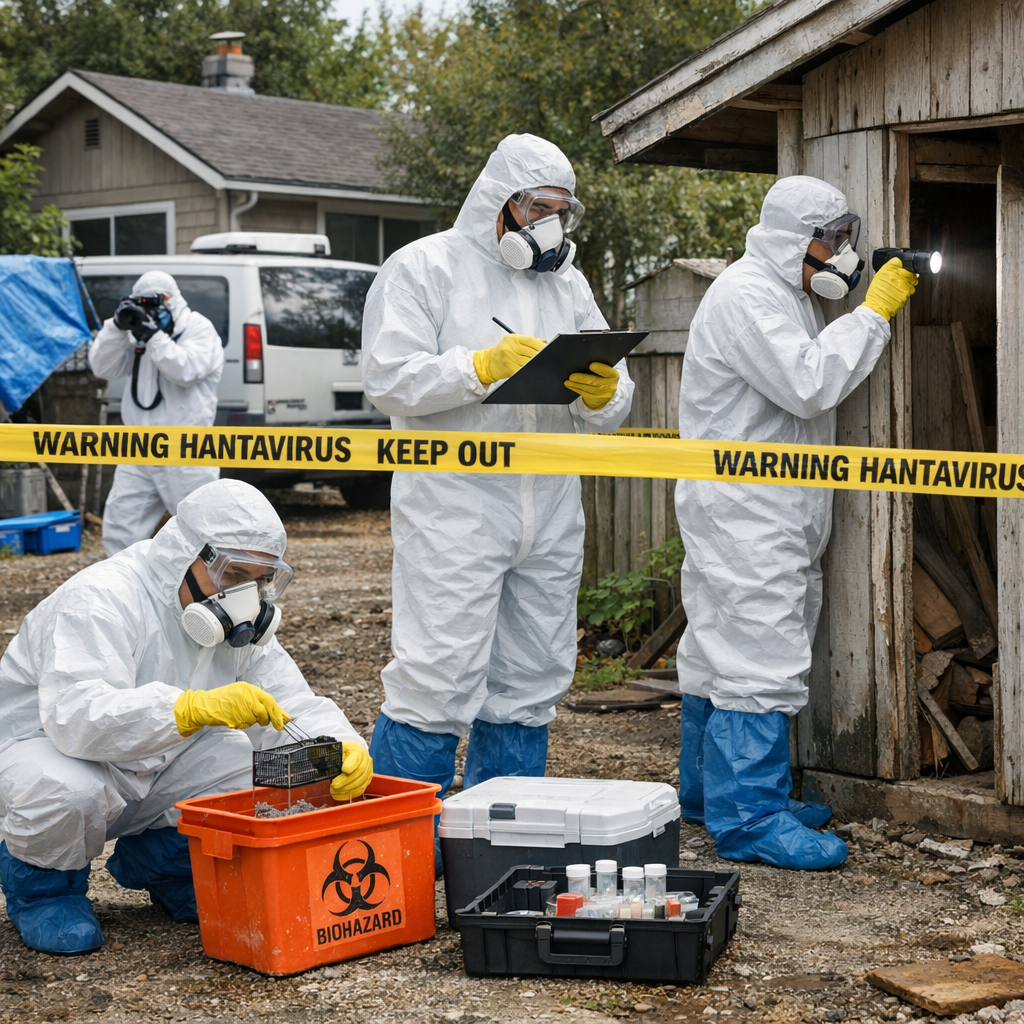
Health authorities across the United States are currently monitoring 41 individuals for potential hantavirus exposure. This development follows reports of suspected cases in several states, prompting a coordinated public health response.
What is Hantavirus?
Hantavirus is a rare but serious disease transmitted primarily through contact with rodent urine, droppings, or saliva. Inhalation of aerosolized virus particles can lead to Hantavirus Pulmonary Syndrome (HPS), a severe respiratory condition with a high mortality rate.
Current Situation
According to the Centers for Disease Control and Prevention (CDC), 41 people are being monitored for hantavirus in the U.S. Health officials are working diligently to identify the source of exposure and prevent further cases. Source
Preventive Measures
To reduce the risk of hantavirus infection, the CDC recommends the following precautions:
- Seal up holes and gaps in homes to prevent rodent entry.
- Keep food in rodent-proof containers and dispose of garbage promptly.
- Use traps to eliminate rodents and clean up nesting areas using disinfectant.
For more detailed guidelines, visit the CDC’s official website.
Conclusion
While hantavirus cases are rare, they can be severe. Staying informed and adhering to preventive measures are crucial steps in protecting public health.