

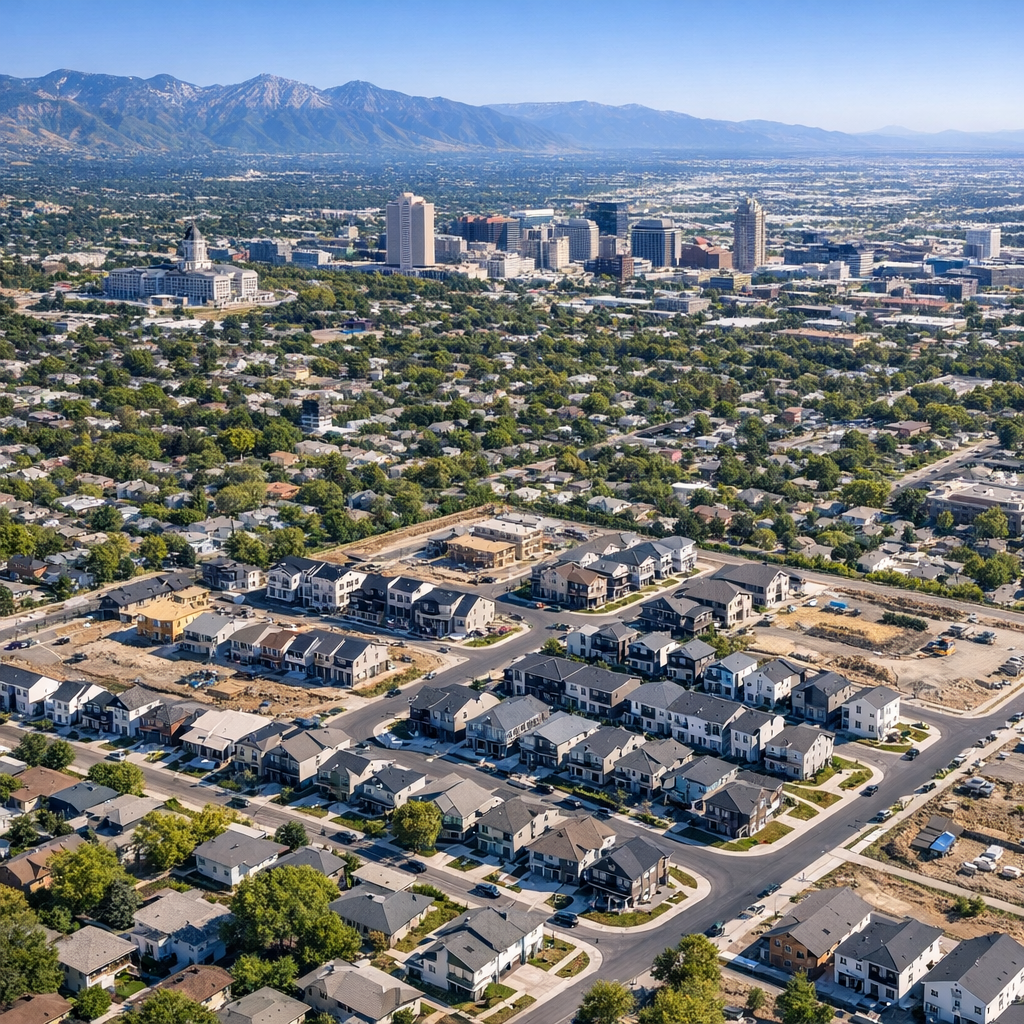
Salt Lake City’s housing market is experiencing notable shifts, impacting both prospective homeowners and renters. Understanding these changes is crucial for making informed decisions.
Home Prices and Market Trends
Recent data indicates a rise in home prices. In March 2026, the median sale price reached $598,000, marking a 15.2% increase from the previous year. Homes are selling in approximately 34 days, suggesting a moderately competitive market. However, some analyses point to a more complex picture. Over a five-year span, home values have declined by 4.74%, indicating that long-term appreciation has been negative. This suggests that while short-term trends show price increases, the market has faced challenges over a longer period.
Rental Market Dynamics
For many residents, renting remains a more affordable option compared to homeownership. A LendingTree analysis revealed that in Salt Lake City, the median monthly rent was about $1,700, whereas monthly mortgage payments averaged over $2,200—a 33.4% difference. This cost disparity may influence individuals to opt for renting over purchasing homes.
Affordable Housing Initiatives
Addressing the need for affordable housing, the Salt Lake City Community Reinvestment Agency (CRA) has approved $8.1 million in low-interest loans to support the development of nearly 600 homes, including over 200 units for households earning up to 30% of the Area Median Income. These efforts aim to provide more housing options for low-income residents.
Development Projects and Urban Planning
The city is also focusing on revitalizing urban areas. Plans for the Fleet Block redevelopment in the Granary District include approximately 2.4 acres of green space, alongside mixed-income housing and retail spaces. This project reflects a broader commitment to enhancing urban livability and community engagement.
As Salt Lake City’s housing landscape continues to evolve, staying informed about market trends and development initiatives is essential for residents navigating their housing options.