

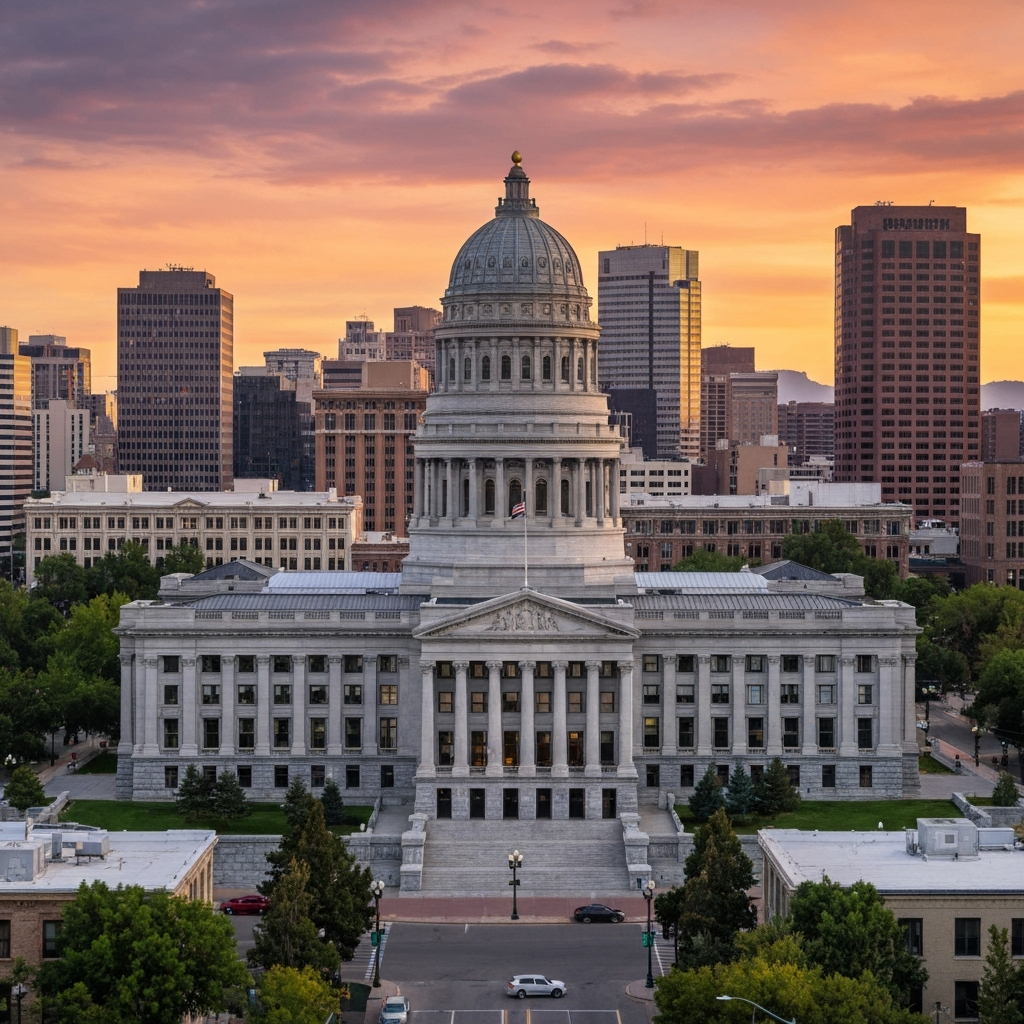
Federal policies significantly influence Utah’s economy and political environment. Understanding these impacts is crucial for residents and policymakers alike.
Economic Impacts of Federal Policies
Federal regulations have a notable effect on Utah’s economic health. Studies indicate that from 1997 to 2015, increased federal regulations were associated with higher poverty rates, increased income inequality, and reduced entrepreneurship in the state. Specifically, this period saw an estimated 39,112 additional people living in poverty and a 3.2% rise in income inequality. Moreover, the state experienced an annual loss of 103 small businesses and 1,221 jobs, alongside a 7.35% increase in consumer prices. These findings underscore the importance of evaluating the economic consequences of federal regulations on Utah’s economy.
Federal funding also plays a significant role in Utah’s state budget. In Fiscal Year 2024, federal funds comprised 27% of the state’s spending, totaling just over $7 billion of the $26 billion budget. A substantial portion of these funds supports social services, housing, and community development programs, with Medicaid accounting for 50% of the state-federal spending. This reliance highlights the potential vulnerability of Utah’s budget to changes in federal funding levels.
Political Implications of Federal Decisions
Utah’s political landscape is deeply intertwined with federal policies. The state has historically leaned Republican, with the party holding all statewide executive offices and supermajorities in both state legislative chambers. However, recent federal decisions have introduced new dynamics. For instance, a court-ordered redistricting in 2025 led to the creation of Utah’s first Democratic-leaning congressional seat in years, potentially altering the state’s political balance.
Additionally, federal actions such as the proposed elimination of the U.S. Department of Education have raised questions about the future of education funding in Utah. While the department oversees significant funding granted to states, its closure does not necessarily mean the termination of associated federal legislation and funding. Preliminary information suggests that the management of these funds may be assigned to other federal agencies or provided through block grants to states. This uncertainty underscores the need for Utah to proactively plan for potential changes in federal education funding.
Conclusion
Federal policies have profound and multifaceted effects on Utah’s economy and political environment. As such, it is imperative for state leaders and residents to stay informed and engaged with federal developments to effectively navigate and respond to these influences.