

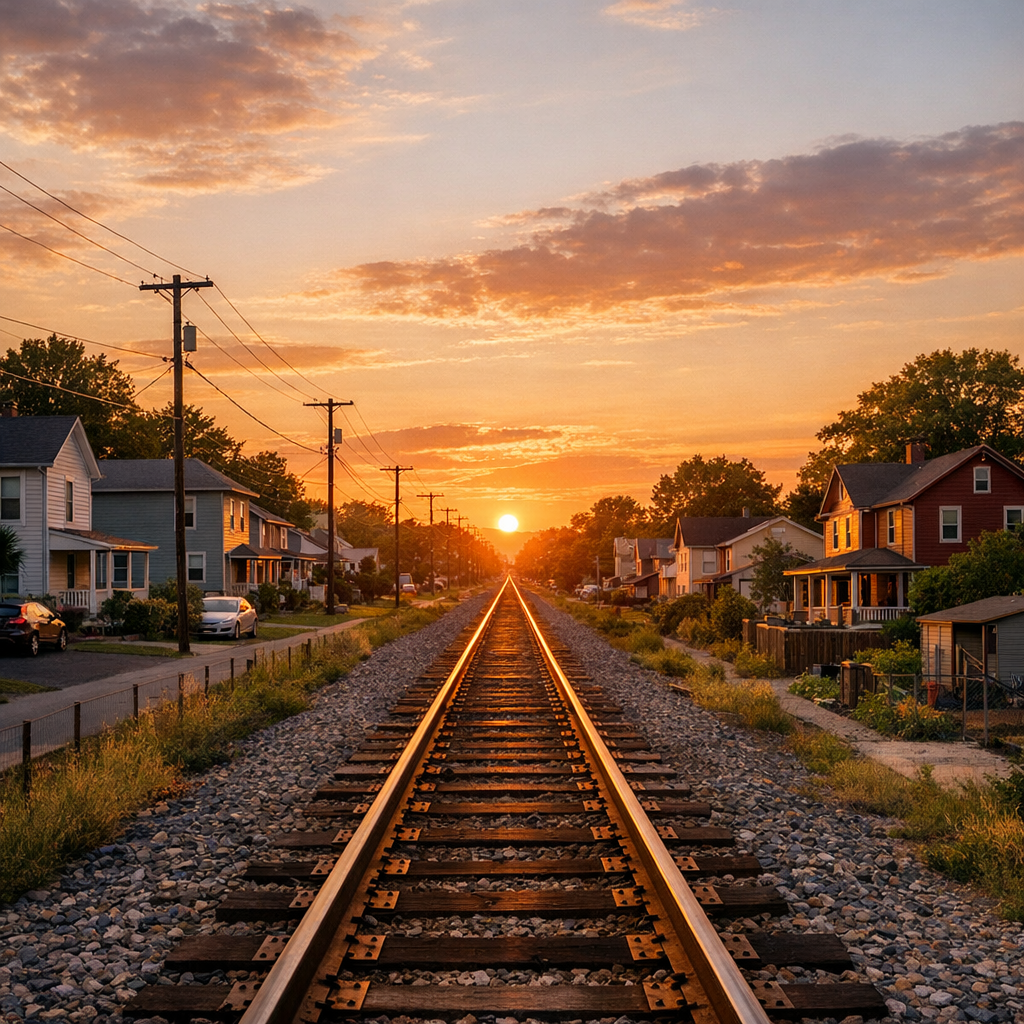
Every morning, I wake up knowing that where I’m sitting—West or East—matters. Crossing that divide feels like slipping through invisible lines of opportunity, access, and sometimes even respect. Salt Lake City is growing fast, but not everyone is carried forward together.
The West-East Divide Isn’t Just Geography
The city’s physical barriers—Interstate 15 and long stretches of railroad track—don’t just cut across maps. They cut deeply into daily life. When freight trains park for hours they don’t just block cars—they block jobs, school access, doctor’s appointments. Infrastructure gaps, fewer schools or clinics, and reduced transit options take their toll. In prioritizing projects, resources tend to flow where traffic and votes are high. And that often means East.
Voices From the West
People I talk to in Glendale, Rose Park, Poplar Grove say they feel overlooked. If your streetlights are flickering, your sidewalks broken, or your sidewalk doesn’t exist at all, you notice. If you have cars but poor transit options, errands take longer. If you want to walk or bike somewhere safe—not all crossings are walkable, and there are stretches where pedestrians feel unprotected. Kids play in places where traffic noise and air pollution linger. These are not complaints—they’re lived realities.
What Could Bridging the Gap Look Like?
And yet—solutions aren’t hard to imagine. The West-East Connections Study is one example. It aims to gather ideas from those most affected to build plans that feel real to them—bridges, more crossings, better public transit, more street lighting, community hubs, even hospitals and schools placed to serve people, not just city lines. When community members in Westside neighborhoods speak, they raise up ideas of safe walkways, art, affordable transit, access to fresh food, youth spaces. These aren’t luxuries. They’re lifelines.
Starting From Today—What We Can Each Do
- Engage locally. Attend one of the community council meetings. Understand your district’s priorities.
- Share stories. When someone’s travel time is doubled or their kid can’t reach school safely—those details matter.
- Support funding for infrastructure in historically neglected neighborhoods—lighting, sidewalks, crossings.
- Vote local. Board seats, councilmembers—they decide where resources go.
I believe we can build a city whole, where geography doesn’t decide your chance at a good job, a safe walk home, or a thriving childhood. Until then, know that every bridge built between East and West is a bridge toward justice.