

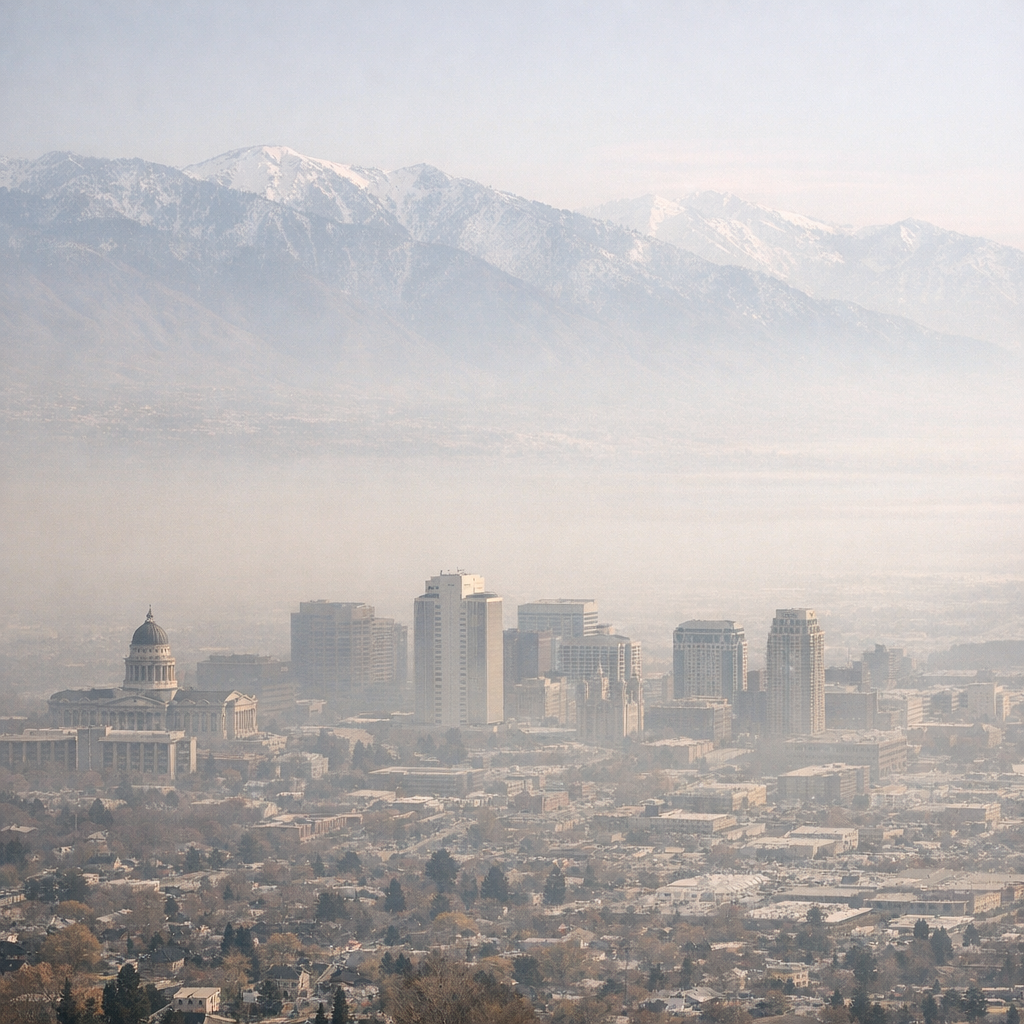
Salt Lake City, nestled in the picturesque Wasatch Front, faces unique air quality challenges due to its geography and climate. The city’s location in a valley surrounded by mountains can lead to temperature inversions, especially during winter months. These inversions trap cold air and pollutants close to the ground, resulting in increased levels of particulate matter and ozone.
Primary Sources of Pollution
The major contributors to air pollution in Salt Lake City include:
- Transportation: Vehicles are the largest source of emissions, accounting for approximately 55% of the city’s pollution. This includes cars, trucks, and other forms of motorized transport.
- Residential and Commercial Heating: Homes and businesses contribute about 27% of emissions, primarily from space heating, water heating, and wood burning. During winter, wood burning becomes a significant source of pollution.
- Non-Road Combustion Sources: Equipment such as construction machinery, airplanes, boats, and lawnmowers make up around 10% of emissions.
- Industrial Activities: Industrial sources contribute the remaining 8% of emissions.
Health Impacts
Exposure to elevated levels of air pollution poses serious health risks, particularly for vulnerable populations such as children, the elderly, and individuals with respiratory or cardiovascular conditions. Health effects can range from aggravated asthma and decreased lung function to increased risks of heart attacks and premature death.
Community Initiatives for Cleaner Air
Recognizing the importance of improving air quality, Salt Lake City has implemented several initiatives:
- Clean Air SLC Program: This program distributes equipment and information to help residents improve air quality in their communities and homes. Initiatives include the Landscape Equipment Exchange, which encourages the switch from gas-powered to electric landscaping equipment, and the E-bike Incentive Program, promoting the use of electric bicycles.
- Indoor Air Quality Program: Aimed at enhancing indoor air quality, this program provides residents with resources such as high-efficiency furnace filters, portable air purifiers, and education on reducing indoor pollutants.
- Energy Benchmarking & Transparency Ordinance: This ordinance requires large commercial buildings to benchmark and report their energy use, promoting energy efficiency and reducing emissions.
Individual Actions to Improve Air Quality
Residents can also take steps to contribute to cleaner air:
- Reduce Vehicle Use: Opt for public transportation, carpooling, biking, or walking to decrease vehicle emissions.
- Limit Wood Burning: Avoid using wood-burning stoves and fireplaces, especially during inversion periods.
- Maintain Vehicles: Regular vehicle maintenance ensures efficient operation and lower emissions.
- Use Energy Efficient Appliances: Choosing energy-efficient appliances and reducing energy consumption at home can lower overall emissions.
By understanding the sources and impacts of air pollution and participating in community and individual efforts, Salt Lake City residents can work together to improve air quality and protect public health.